10 Reasons Why Mobile-Friendly Web Design Is Important for New York Businesses in 2026
New York is one of the most competitive business markets in the United States. Whether you run a ...
Date: September 10, 2026


📅 Updated on: August 29, 2026
A website is no longer just an online business card. In 2026, your website is often the first interaction a potential customer has with your business. Whether someone discovers you through Google, social media, a referral, or an online advertisement, they expect your website to be fast, professional, mobile-friendly, secure, and easy to use.
For small businesses, having the right website features can directly influence visibility, credibility, leads, and sales. A beautiful website is valuable, but design alone is not enough. Your website needs the right combination of user experience, search engine optimization, security, performance, conversion tools, and scalable technology.
If you’re planning a new website or considering a website redesign, understanding the most important small business website features can help you make better decisions about your investment.
In this guide, we’ll explore the 10 essential features every small business website needs in 2026, along with important considerations such as website development cost New York, WordPress vs custom website development, website development timelines, mobile-friendly design, and SEO.
Small businesses compete with larger companies for the same customers. A professional website can help level the playing field by giving your business a strong online presence.
Customers increasingly expect websites to:
These expectations make choosing the right small business website features more important than simply choosing an attractive design.
Your website should also support your long-term marketing strategy. SEO, content marketing, paid advertising, social media, email marketing, and local search all work better when they send visitors to a well-structured website.
Let’s look at the ten features your business should prioritize.
A mobile-friendly website is one of the most important features for any small business in 2026.
People use smartphones to search for businesses, compare services, read reviews, find directions, make calls, and complete purchases. If your website looks good on a desktop but is difficult to use on a phone, you may lose potential customers.
Mobile-friendly web design means that your website automatically adapts to different screen sizes and devices.
A responsive website should provide:
For local businesses, mobile usability is particularly important. A customer searching for a plumber, restaurant, lawyer, contractor, dentist, marketing agency, or retail store may be ready to contact a business immediately.
Your website should make that action simple.
Responsive design doesn’t simply mean making a desktop page smaller.
The layout should be designed around how people actually interact with mobile devices. Navigation, buttons, forms, images, headings, and calls to action should all be optimized for smaller screens.
When planning a new website, make mobile usability part of the initial design rather than treating it as an afterthought.

Website speed can have a major impact on user experience.
Imagine a potential customer searches Google for your service, clicks your website, and waits several seconds for the page to load. They may simply go back to Google and choose another company.
For small businesses, every visitor matters.
A high-performing website should focus on:
Performance should be considered during SEO and web development, not after the website is launched.
Search engines want to provide users with good experiences. Website performance, mobile usability, accessibility, and other technical factors can influence how effectively your pages perform in search.
However, SEO is broader than speed.
A successful SEO strategy also requires:
Your website’s technology and SEO strategy should therefore be developed together.
One of the most overlooked small business website features is simple navigation.
Visitors shouldn’t have to work to find basic information.
A typical small business website should make important pages easy to access, such as:
Depending on the business, additional pages may be useful.
For example, a local service business may benefit from dedicated service and location pages. A professional services company might need industry pages, case studies, resources, and team profiles.
Your website should answer basic customer questions quickly:
What do you offer?
Who do you serve?
Where do you operate?
Why should customers choose you?
How can someone contact you?
A clear information architecture helps both users and search engines understand your website.
This is another reason SEO and web development should not be treated as completely separate activities.
A website can receive thousands of visitors and still generate very few leads if visitors don’t know what to do next.
Every important page should have a clear next step.
Examples include:
Your call to action should match the visitor’s intent.
For example, someone reading a detailed service page may be ready to request a quote. Someone reading an educational blog post may need more information before contacting you.
Don’t rely on a single contact form buried at the bottom of your website.
Depending on your business, consider:
The goal isn’t to overwhelm visitors with buttons. The goal is to make the next logical action obvious.
A website isn’t very useful if potential customers can’t find it.
That’s why SEO should be part of the website from the beginning.
A modern small business website should have a strong technical foundation for search engines.
Important elements include:
SEO and web development are closely connected.
For example, a developer may create a beautiful website with JavaScript-heavy components, while an SEO specialist may later discover crawling, performance, or rendering problems.
Building SEO considerations into the development process can reduce these issues.
Small businesses should also consider local SEO.
If your company serves a specific geographic market, location-related pages and properly optimized business information can help search engines understand where you operate.
Security is another essential feature for every small business website.
Even if you don’t sell products online, your website may collect information through contact forms, quote requests, newsletter subscriptions, appointment systems, or other tools.
At a minimum, your website should use HTTPS with a valid SSL/TLS certificate.
Other security measures can include:
If you’re using WordPress, keeping WordPress core, themes, and plugins updated is particularly important.
Security should be treated as an ongoing process rather than a one-time development task.
Small businesses need the ability to update their websites without contacting a developer for every minor change.
A content management system (CMS) can make this much easier.
Popular options include WordPress and custom CMS solutions.
With a suitable CMS, your team may be able to update:
The right CMS depends on the complexity of your business and your long-term goals.
One of the most common decisions businesses face is WordPress vs custom website development.
WordPress is popular because it provides a flexible content management system and a large ecosystem of themes and plugins.
A WordPress website can be a good choice when:
Custom development may make more sense when your website requires:
The best option isn’t automatically WordPress or custom development. It depends on your requirements, budget, timeline, scalability needs, and internal resources.
Another decision is custom web development vs website builder.
Website builders can be useful for very simple websites. They may allow business owners to create basic pages quickly without extensive technical knowledge.
However, businesses with more specific requirements may eventually need greater control over functionality, performance, integrations, SEO, and scalability.
Custom web development generally provides greater flexibility, but it may require a larger initial investment.
The right choice depends on what your business needs today and where you expect it to be in the next several years.

Customers want to know whether they can trust your business before contacting you.
Your website should communicate credibility clearly.
Important trust-building elements can include:
A blog can also help demonstrate expertise and support SEO.
Instead of publishing generic articles just to target keywords, create useful content that answers real questions from your customers.
For example, a New York web development company might publish articles covering:
This creates opportunities to attract people at different stages of the buying journey.
One of the biggest advantages of having a website is the ability to measure what visitors do.
Your website should be connected to appropriate analytics and tracking tools.
Depending on your business, you may want to track:
Analytics can help answer important questions.
Which pages attract the most visitors?
Which pages generate leads?
Which marketing channels produce customers?
Where are visitors leaving?
Which services receive the most interest?
Without measurement, businesses often make website decisions based on assumptions.
With data, you can continuously improve your website.
Your website should be built for more than today.
A small business may start with five pages and eventually need:
Choosing technology that can grow with your business can reduce the need for expensive rebuilding later.
This is particularly important when evaluating WordPress vs custom website development.
Don’t choose technology simply because it is cheap today. Consider the total cost and business requirements over the next three to five years.
One of the first questions businesses ask when planning a website is: How much does website development cost in New York?
There isn’t one universal price because development costs depend heavily on project requirements.
Factors that influence website development cost New York include:
A simple brochure website can require significantly less development work than a custom web application or e-commerce platform.
The WordPress website cost New York businesses encounter can also vary considerably.
A basic WordPress website may involve a relatively straightforward setup, while a highly customized WordPress project can require substantial development work.
Costs can increase when you need:
Rather than selecting a provider solely based on the lowest quote, compare what is included in the project.
Choosing the right web development company New York businesses can work with is an important decision. The right development partner should understand your business goals, target audience, technology requirements, SEO needs, and long-term growth plans.
Before hiring a development agency, look at:
Review previous projects and determine whether the agency has experience building websites similar to yours.
Ask about the technologies they use and why they recommend them.
A website should not only look good. It should provide a strong foundation for search visibility and support your broader digital marketing strategy.
Test previous websites on your phone. Look at navigation, speed, forms, buttons, and readability.
Understand who will manage the project and how updates will be communicated.
Ask whether maintenance, security updates, backups, troubleshooting, and future improvements are available.
Make sure you understand what the proposal includes and what may result in additional charges.
If you’re looking for professional web development services in New York, compare agencies based on their portfolio, technical expertise, development process, SEO capabilities, support, and overall value rather than choosing solely on the lowest price.
Another important consideration is the website development timeline.
There is no universal timeline because project complexity varies.
A simple small-business website may take significantly less time than a large custom website with complex integrations.
A typical development process can include:
The team identifies business objectives, target customers, required pages, functionality, competitors, and technical requirements.
The website’s page hierarchy and navigation are planned.
The visual design, layouts, typography, calls to action, and user experience are developed.
Designs are converted into a functioning website.
Content, metadata, images, internal links, structured data, and other SEO elements are implemented.
The website is tested across different browsers, devices, screen sizes, forms, links, and functionality.
The website is deployed to the live environment.
Performance, analytics, SEO, conversions, and user behavior can be monitored and improved.
A clear development process helps prevent delays and unnecessary revisions.
You don’t necessarily need to build an entirely new website to improve your online presence.
Sometimes a website redesign is the better option.
Signs your website may need a redesign include:
A redesign should be more than changing colors and fonts.
A successful redesign should examine:
Design + UX + SEO + Performance + Content + Conversion + Technology
This approach can turn a website redesign into a measurable business improvement rather than simply a visual update.
The most successful websites don’t treat each feature as an isolated component.
Consider a customer searching Google for a local service.
They discover your website through organic search.
Your SEO-friendly page attracts them.
The page loads quickly.
Because the website uses mobile-friendly web design, it works properly on their smartphone.
Clear navigation helps them find the service they need.
Trust signals convince them that your business is credible.
A strong call to action encourages them to request a quote.
The form captures their information.
Analytics records the conversion.
That entire process demonstrates why small business website features need to work together.
A website isn’t simply a collection of pages. It is part of your sales and marketing system.
Before launching or redesigning your website, use this checklist:
Not every business needs every feature immediately. Prioritize the features that directly support your customers and business goals.
The most important small business website features include mobile-friendly design, fast loading speed, simple navigation, clear calls to action, SEO-friendly structure, website security, easy content management, trust signals, analytics, and scalable technology. These features help businesses attract visitors, build credibility, and convert website traffic into leads or customers.
Website development cost in New York varies depending on the size and complexity of the project. Factors such as the number of pages, design requirements, custom functionality, integrations, e-commerce features, SEO, content creation, hosting, and ongoing maintenance can all affect the total cost. A simple business website generally requires less development work than a custom web application or advanced e-commerce website.
WordPress website cost in New York depends on the project’s requirements. A basic WordPress website can be relatively straightforward to build, while a custom WordPress website with a custom theme, plugins, API integrations, WooCommerce, advanced SEO, or specialized functionality can require significantly more development work.
The choice between WordPress vs custom website development depends on your business requirements. WordPress can be a good option for businesses that need a flexible content management system and relatively standard functionality. Custom development may be more suitable for businesses that require unique functionality, complex integrations, specialized workflows, or highly customized user experiences.
Yes. Mobile-friendly web design is essential because customers frequently use smartphones to search for businesses, view services, compare companies, contact businesses, and make purchases. A responsive website should provide easy navigation, readable content, properly sized buttons, optimized images, and fast performance across mobile devices.
The website development timeline depends on the project’s scope, number of pages, design complexity, functionality, content requirements, integrations, and approval process. A simple small business website can generally be completed faster than a custom website requiring advanced functionality and integrations. Planning requirements and providing content promptly can help reduce delays.
A business should consider a website redesign when its website looks outdated, performs poorly on mobile devices, loads slowly, has confusing navigation, generates fewer leads, contains outdated content, has technical SEO problems, or is difficult to manage. A successful website redesign should improve more than appearance by addressing user experience, SEO, performance, security, content, and conversions.
Custom web development provides greater control over the website’s functionality, design, integrations, performance, and scalability. Website builders can be useful for simple websites because they can be faster and easier to set up. Businesses should choose between custom web development vs website builder based on their current requirements, budget, technical needs, and long-term growth plans.
SEO and web development are closely connected because technical decisions can affect how search engines crawl, render, understand, and rank a website. Website structure, page speed, mobile usability, URLs, internal linking, structured data, and other technical elements can contribute to a strong SEO foundation. Incorporating SEO into development from the beginning can reduce technical issues later.
A modern small business website should generally include responsive mobile design, fast performance, clear navigation, strong calls to action, SEO-friendly content and structure, HTTPS security, a manageable CMS, customer reviews or testimonials, contact options, analytics, and technology that can support future growth.
In 2026, having a website is no longer enough. Your website needs to perform.
The most important small business website features combine usability, performance, security, SEO, credibility, conversion optimization, and scalability.
At a minimum, your website should be:
Fast. Mobile-friendly. Secure. Search-friendly. Easy to navigate. Easy to manage. Designed to generate conversions.
Before starting a project, think beyond the initial development price. Consider how the website will support your business over the next several years.
If you’re comparing WordPress vs custom website development, evaluate your functionality and scalability requirements first.
If you’re considering a website redesign, look beyond visual changes and examine performance, SEO, user experience, content, and conversions.
If you’re researching website development cost New York or WordPress website cost New York, compare agencies based on the complete scope of work rather than choosing solely on price.
And if you’re estimating your website development timeline, establish the requirements and approval process early to avoid unnecessary delays.
Most importantly, treat your website as an ongoing business asset rather than a one-time project.
A well-planned website can help a small business attract more visitors, build trust, generate leads, and compete more effectively online.
The right technology, structure, content, and strategy can turn your website from a simple online presence into a reliable growth channel.
Need our services: Request a Quote
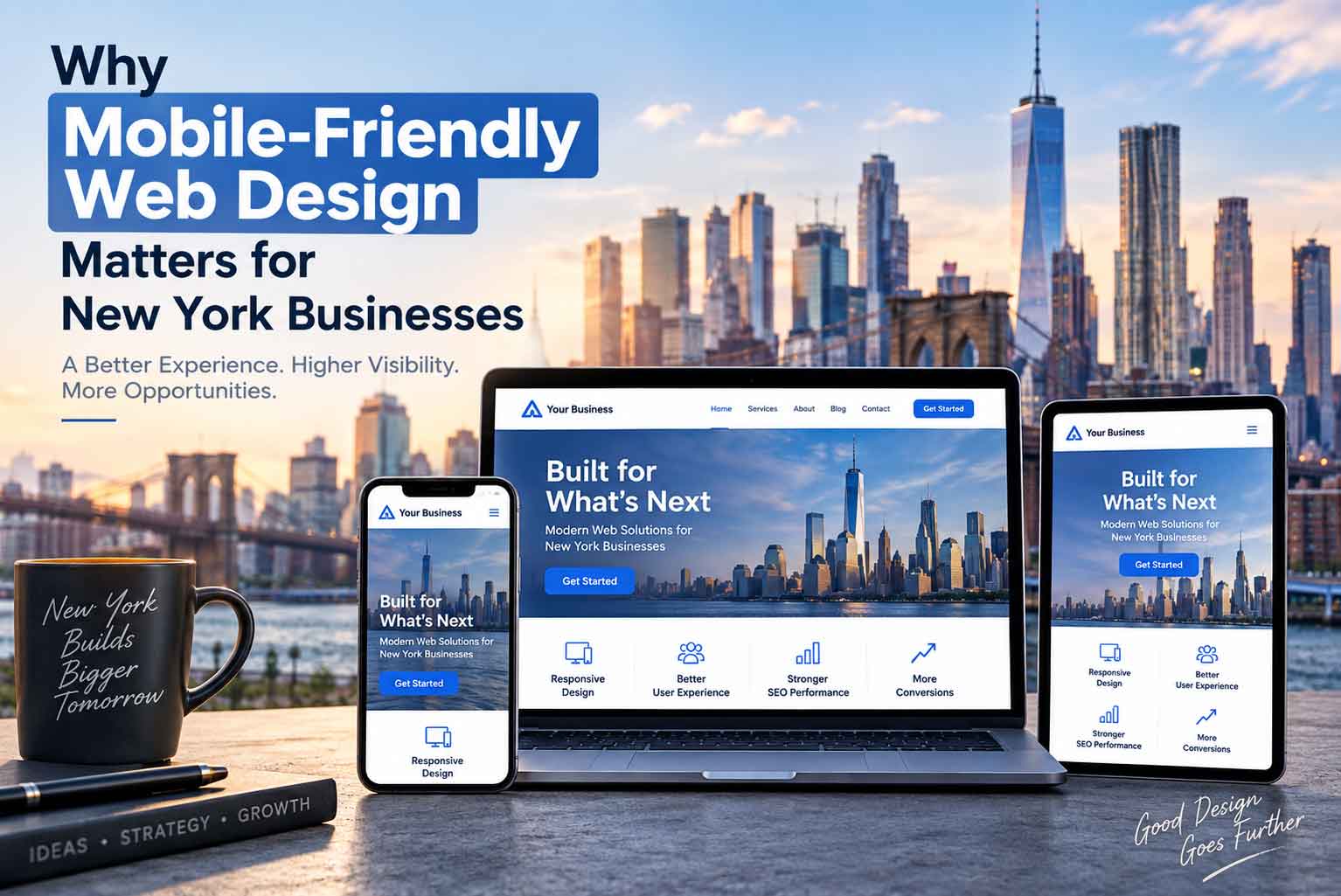
New York is one of the most competitive business markets in the United States. Whether you run a ...
Date: September 10, 2026
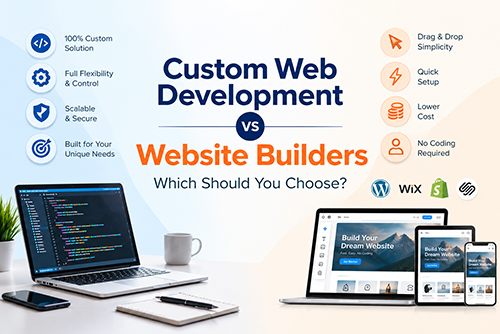
Choosing how to build a website is one of the most important decisions a business can make when e...
Date: September 6, 2026

If you are planning to build a business website in New York, one of the first questions you are l...
Date: September 2, 2026

Understanding the website development timeline is important for any business planning a new websi...
Date: August 31, 2026